


Exploring the latest developments in the gaming industry as technology transforms user experiences in 2026.
The gaming industry in 2026 is witnessing unprecedented transformations, fueled by rapid technological advancements and shifting consumer expectations. With the explosion of cutting-edge innovations, platforms like 'ah88' are at the forefront, shaping a new era of online gaming.
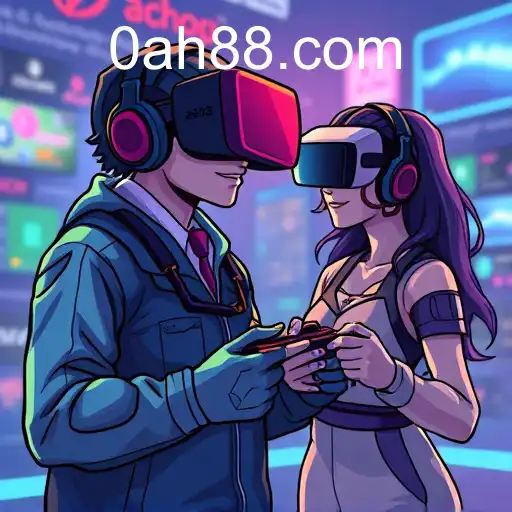
One of the most significant trends is the integration of virtual reality (VR) and augmented reality (AR) into mainstream gaming experiences. These technologies are providing players with immersive experiences that were once beyond imagination. As VR headsets become more affordable and AR capabilities expand on mobile devices, the boundary between the virtual and real worlds continues to blur.
In addition to technological advancements, there is an increased focus on community building within gaming platforms. Platforms like 'ah88' are not just about the games themselves but also about fostering interactive, social environments where players can connect globally. This dynamic cultivates a sense of community, enhancing user engagement and loyalty.
Furthermore, gaming narratives are evolving to incorporate more diverse and inclusive storylines and characters. As the global gaming audience becomes more diverse, developers are answering the call for representation and inclusivity. 'Ah88' and similar platforms are integrating these elements to cater to broader audiences, acknowledging the industry's responsibility to reflect the society it entertains.
At the regulatory level, there are ongoing discussions about data privacy and the ethics of microtransactions in games. The advent of technologies such as blockchain promises solutions to some of these challenges, offering more secure and transparent transaction processes.
As we move further into 2026, the convergence of these trends is setting up a transformative landscape for the online gaming industry. Companies like 'ah88' are leading the charge, driven by a commitment to innovation and user-centricity.

